A tree problem has its own clock
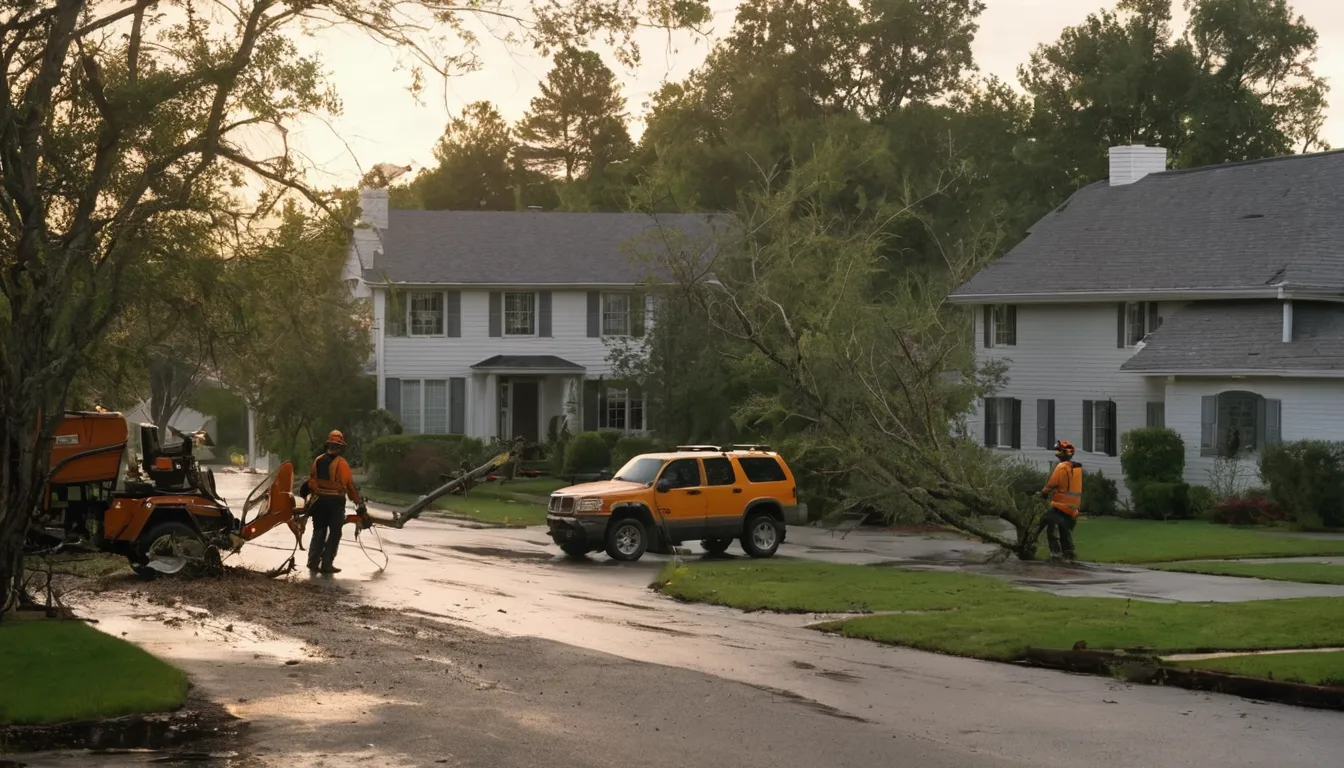
A tree down after a storm feels like an emergency, and sometimes it is. Other times the trouble builds slowly: a leaning trunk, a dead top, roots lifting a walkway. Either way, a clock is running, and it runs differently for each case.
Thereforejohn Tree Service is a referral service. It does not do tree work itself. It connects homeowners in Kettering and the Kettering area with independent tree removal providers in our network. You describe what is going on. A local provider takes it from there.
Here is the short version of how timing works. In the first hour, the job is safety: people out of the way, power lines treated as live, nothing moved. In the first day, the job is protection: a tarp on the roof, photos for your records, a provider lined up. In the first week, wet wood, pests, and the next storm start to matter more.
If a tree is down or hanging, request a callback to check provider availability and describe what you see.
Get an Estimate
Not an emergency? Planning ahead is easier on your nerves and usually easier to schedule.
How It Works
What we do, and what we do not
Thereforejohn Tree Service is a matchmaker, nothing more. We do not climb, cut, haul, or grind. The independent providers in our network do all of that, under their own names and their own insurance. That is how it should be, because tree work is dangerous and belongs with people who do it daily.
The steps
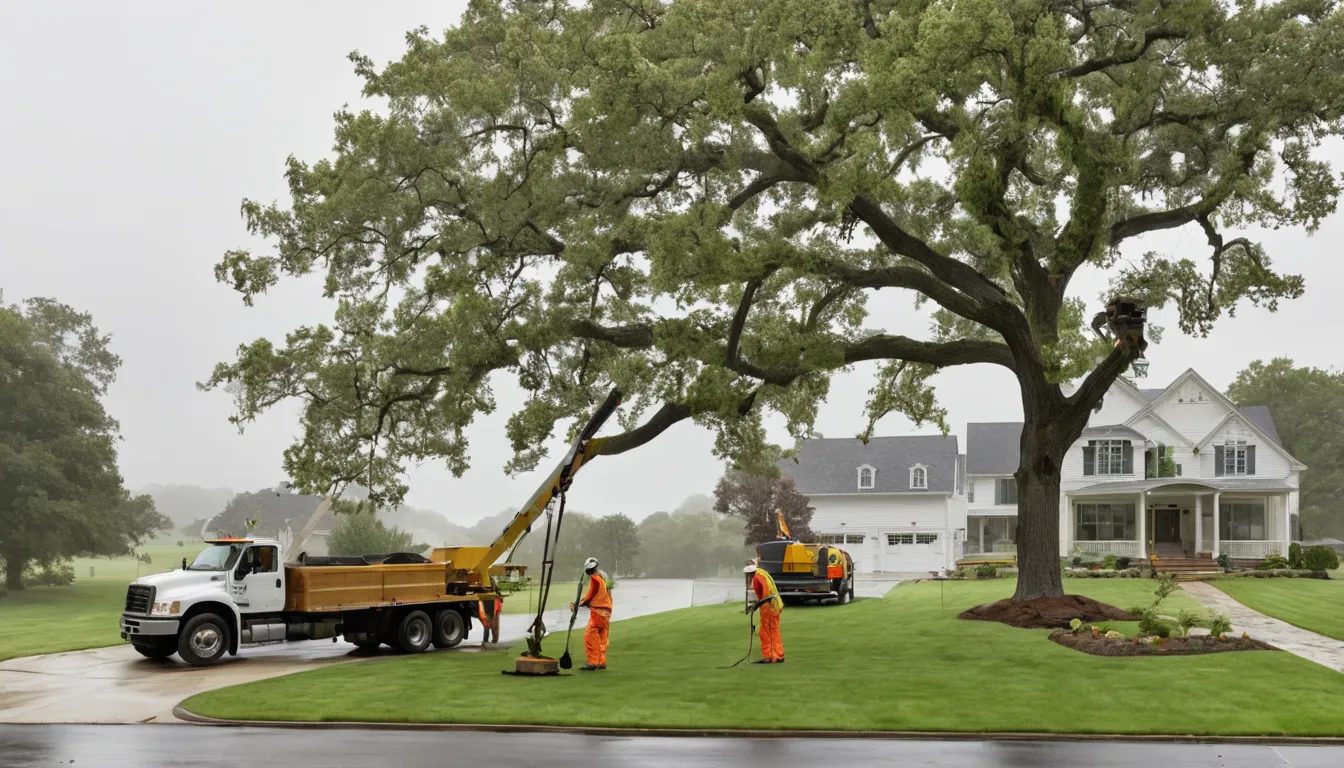
You reach out by phone or request form. You tell us where the tree is, how big it looks, and what it is touching. We pass that to a provider who serves your area. They look at the job, give you a written quote, and set a time that suits you both.
You are never pushed to accept. A quote is just information.
What you can safely do yourself
Some things are fair game for a careful homeowner:
- Keep kids, pets, and cars away from the tree.
- Take photos from a safe distance.
- Rake up small twigs and light debris on the ground.
- Move patio furniture and planters out of the drop zone.
- Write down what you see, with times, for any later claim.
Where to stop
Do not cut a tree that is under tension, leaning on a roof, or tangled in wires. Do not climb a damaged tree. Do not run a chainsaw from a ladder. These jobs injure people every year, and a provider has the rigging and training to handle them.
When in doubt, stop and ask for help.
Where we connect homeowners
Thereforejohn Tree Service serves Kettering and the Kettering area. The weather here keeps tree providers busy, and knowing the pattern helps you plan.
Cold winters with deep frost split weak limbs and heave shallow roots. Hot, humid summers bring fast thunderstorms, and hail can strip and bruise canopies in minutes. Spring flooding softens the ground, so a tree that stood fine all winter can tip when the soil lets go.
Houses here matter too. Many are older frame homes, bungalows, and ranches with low rooflines, so a falling limb reaches the shingles quickly. Full basements with sump pumps mean roots and fallen trunks near the foundation deserve a careful look, especially after heavy rain.
A provider in our network can look at the tree, the roof, and the yard together, and tell you what is urgent and what can wait a few weeks.
Ready to see what a job might involve? Send a short description and a few photos, and a provider can review them with you.
Get an Estimate
If you are not sure your address is covered, ask when you reach out. We will tell you plainly.
What the first days look like
The first hour: stop and look
Stay inside until wind and lightning pass. Then check from a distance. Count people and pets. Look up for hanging limbs, and look down for wires. Treat every line as live, even if the lights are out.
Hours two to six: protect what you can
If the roof is open, a tarp helps, but only from the ground or a safe, stable spot. Shut off water or power if a line or pipe is hit and you can reach the shutoff safely. Take wide and close photos with the date visible on your phone.
Day one: get someone booked
This is the day to reach a provider. Many providers can respond quickly, but availability swings after a big storm, so Request a callback early to check. Ask about storm tree clearance and whether they handle emergency tree removal.
Days two and three: watch the weather
A tree resting on a roof or fence can shift as it dries or as wind picks up. Keep the area roped off. Some policies may cover sudden damage, so read your policy. Providers can often help document damage for a claim.
The first week: wet wood wins
Cut or split wood holds moisture, and mold, ants, and rot move in fast in humid weather. Soft, wet ground near a foundation can also settle, so keep an eye on the basement and sump pump.
Weeks later: the stump
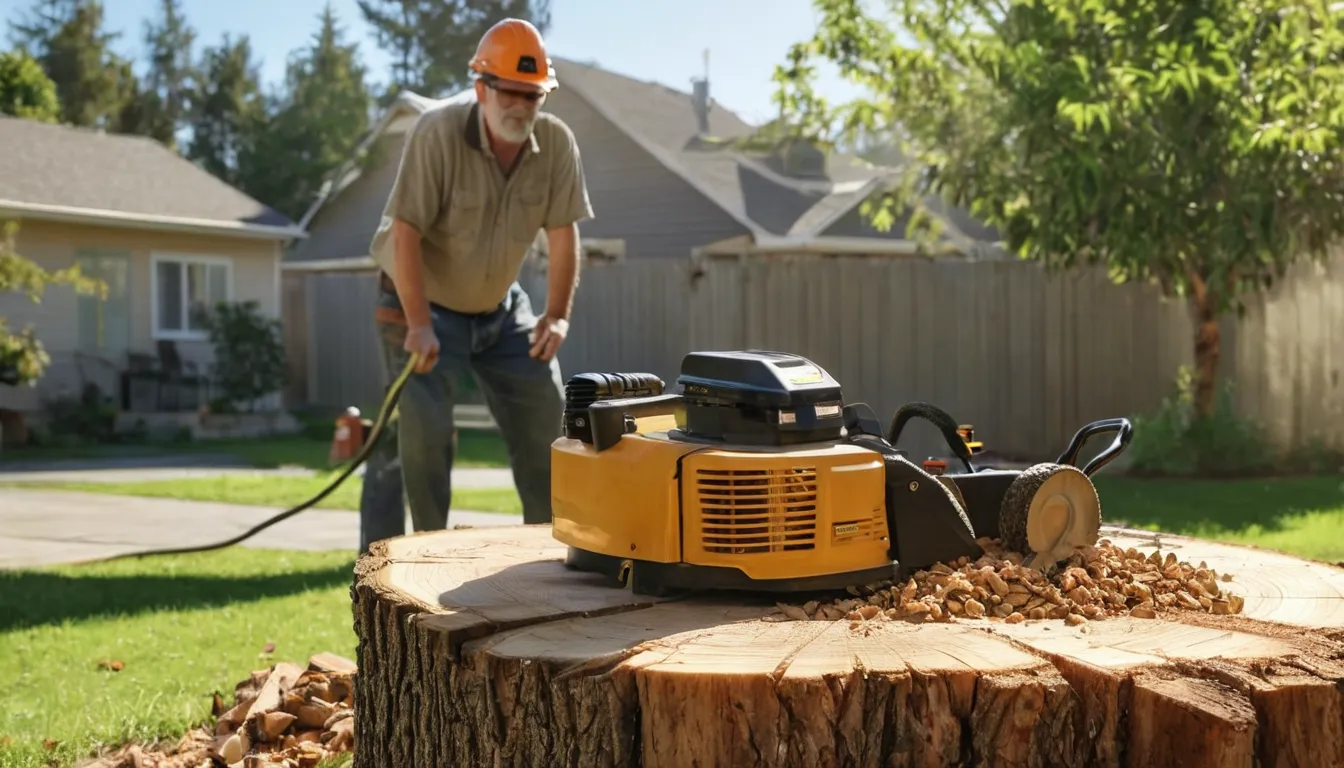
Once the tree is gone, the stump stays. Left alone, it sprouts, rots, and attracts pests. Stump grinding shreds it below the surface, so you can seed or build over it.
Questions to ask before anyone climbs
- Can you provide a written quote with the scope spelled out?
- Do you carry liability and workers' compensation coverage, and can I see proof?
- Will you haul away the wood, or leave it?
- How will you protect my roof, lawn, and fence?
Good answers and red flags
A good provider answers plainly, gives a written quote, and explains the plan. Walk away from anyone who demands full payment upfront, has no proof of coverage, or knocks on your door right after a storm with a rushed price.
Start Your Request
Tell us what the tree is doing and where it sits. Mention anything it touches, like a roof, a wire, or a fence. That helps a provider come ready.
Prefer to talk it through? Request a callback to check provider availability and ask your questions. There is no obligation, and a quote is only a quote.
Get an Estimate